
Enclosed car transport moves vehicles inside a covered trailer, offering additional protection from weather and road debris. It may be suitable for classic cars, luxury vehicles, collectible automobiles, and other vehicles requiring special care.
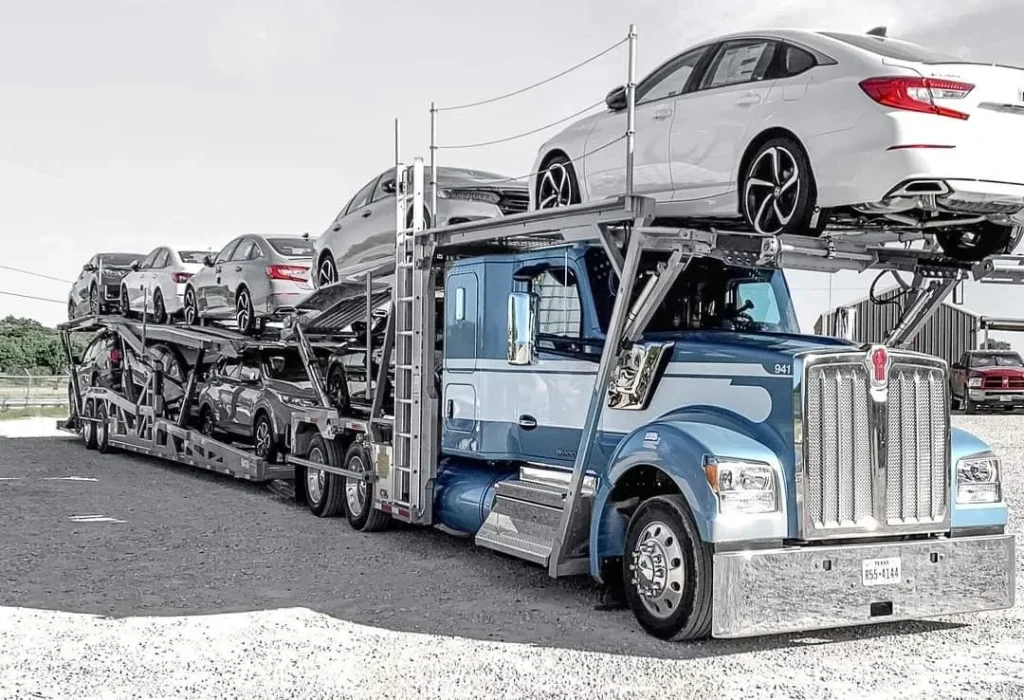
Some vehicles require additional care when being moved over long distances. Classic automobiles, luxury cars, collector vehicles, and specialty sports cars may benefit from an enclosed transportation arrangement. Roadwide Car Shipping helps customers explore vehicle shipping options based on their vehicle, route, schedule, and preferred level of protection.
## What Is Enclosed Car Transport?
Enclosed car transport uses a specialized trailer with covered sides and a roof. Unlike an open carrier, an enclosed trailer creates a more protected transportation environment and reduces direct exposure to weather and road debris.
This method is often considered for vehicles with valuable paintwork, rare models, restoration work, or other features that make additional protection desirable.
Availability depends on the route, carrier equipment, vehicle dimensions, loading requirements, and schedule. Not every carrier can accommodate every vehicle, so it is important to explain any special requirements before requesting a quote.
## Why Choose Enclosed Auto Transport?
The main benefit of enclosed transport is the additional physical protection offered by the covered trailer.
During open transport, a vehicle is exposed to outdoor conditions. An enclosed trailer helps shield it from rain, dust, and many road debris hazards. This may appeal to owners who want to reduce exposure during transportation.
Enclosed transport does not eliminate every risk. Loading, unloading, road incidents, equipment issues, and other unexpected events can still occur. Customers should verify the responsible carrier’s insurance arrangements and review the applicable coverage and exclusions before authorizing the shipment.
## Vehicles That May Benefit From Enclosed Shipping
Enclosed transport may be appropriate for:
– Classic and vintage automobiles.
– Luxury and exotic vehicles.
– Collector and limited-production cars.
– Restored vehicles with specialized finishes.
– High-value sports cars.
– Certain modified vehicles requiring special loading arrangements.
The right service depends on the vehicle and the owner’s preferences. Some everyday vehicles may also be shipped in enclosed trailers when additional protection is a priority.
Tell the transportation provider about low ground clearance, aftermarket bodywork, specialized paint, oversized wheels, or other modifications. These details help determine whether the available equipment is suitable.
## Understanding Enclosed Transport Pricing
Enclosed auto transport generally costs more than open transport. Specialized equipment, potentially lower trailer capacity, route availability, and carrier demand can affect pricing.
Other factors include the distance, vehicle dimensions and weight, pickup and delivery accessibility, preferred dates, and scheduling requirements.
When comparing quotes, check that the proposed service is genuinely enclosed. Ask what is included in the price, whether additional handling charges may apply, and which insurance and claims provisions govern the shipment.
For an especially valuable vehicle, consider asking your insurer whether your existing policy provides any coverage during professional transportation.
## Preparing a Vehicle for Enclosed Shipping
Preparation begins with documenting the vehicle’s condition. Clean the exterior where practical and photograph the body panels, wheels, glass, and existing damage.
Tell the provider whether the vehicle starts and drives normally. If it is inoperable, special loading equipment may be needed.
Remove personal belongings unless the carrier has expressly authorized them. Follow the carrier’s fuel instructions, make keys available according to the agreed procedure, and disclose alarms or vehicle-specific operating requirements.
If the vehicle has a low front splitter, modified suspension, or limited clearance, explain these details before booking. Ask whether the carrier can accommodate the vehicle safely.
## What to Expect During Transportation
Begin by providing the vehicle information, pickup and delivery locations, and preferred dates. The provider can evaluate the route and discuss suitable enclosed transport arrangements.
After the relevant agreement is confirmed, pickup details are coordinated with the responsible carrier. Review the inspection report carefully at pickup and retain photographs documenting the vehicle’s condition.
Transit estimates may change because of weather, traffic, road restrictions, and other operational circumstances. Ask how scheduling updates will be communicated.
At delivery, inspect the vehicle before completing the handoff. Compare its condition with the pickup documentation and promptly report any concerns according to the applicable claims procedure.
## Enclosed Car Transport With Roadwide Car Shipping
Roadwide Car Shipping provides information about enclosed transport alongside open car shipping, door-to-door auto transport, and state-to-state vehicle shipping.
We encourage customers to explain their vehicle’s needs clearly, ask about equipment and scheduling, and review insurance and pricing details before making a booking decision.
Every shipment is different. Understanding your options helps you select an arrangement that matches your vehicle and budget.
## Request an Enclosed Car Transport Quote
If you are planning to ship a classic, luxury, or specialty vehicle, enclosed transportation may provide a suitable option for additional protection.
Contact Roadwide Car Shipping to discuss your vehicle, pickup location, destination, and preferred schedule. Review the proposed service and written terms before confirming your enclosed car transport shipment.
Find answers to some common questions about car shipping and vehicle transportation.
Pricing depends on distance, vehicle size and condition, pickup and delivery locations, transportation method, route demand, and carrier availability. Request a quote with your vehicle details and route for a more accurate estimate.
Remove personal belongings unless expressly permitted, photograph your vehicle's condition, disclose mechanical problems, and follow the carrier's fuel and preparation instructions. Keep your booking confirmation and inspection documents.
Pickup and delivery can be coordinated at or near your requested addresses when access is safe and permitted. If a large transport truck cannot reach the exact location, you may need to meet the carrier at an agreed nearby location.
Open transport moves vehicles on an uncovered carrier and is commonly used for everyday cars. Enclosed transport moves vehicles inside a covered trailer, providing additional protection from weather and road debris. Enclosed transport generally costs more.
Transit time varies according to distance, route, pickup scheduling, weather, traffic, and carrier operations. Ask for an estimated delivery window when requesting your quote. Delivery estimates are not necessarily guaranteed dates.