
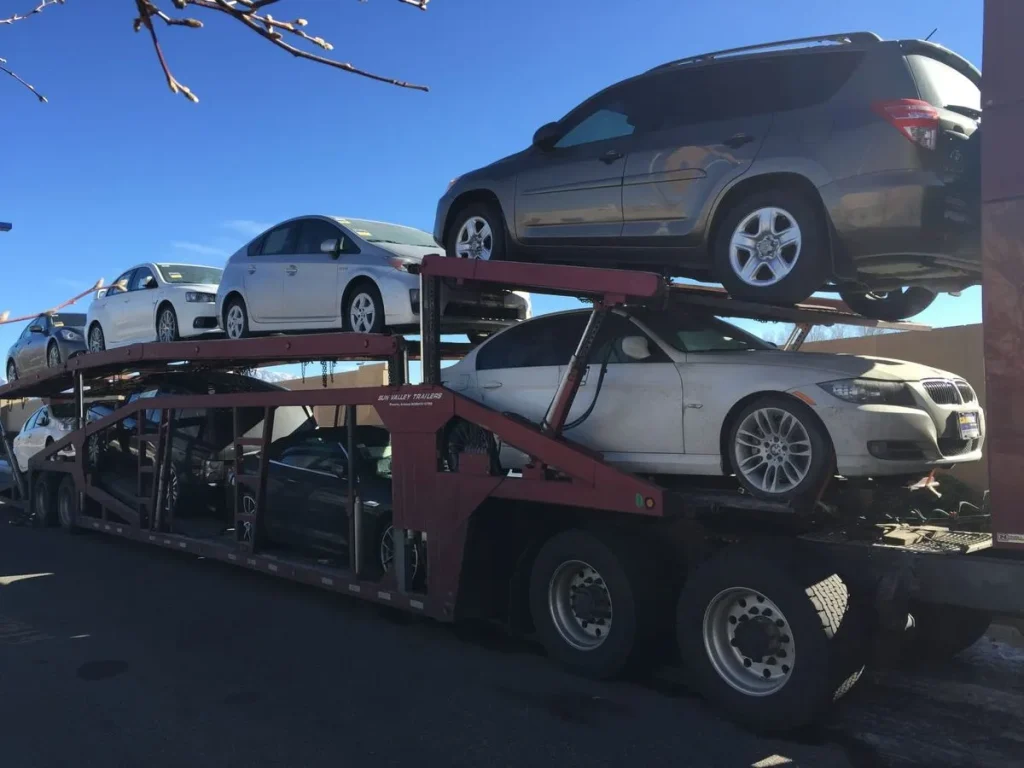
Shipping a car between states can simplify a relocation, an online vehicle purchase, or a family move. Before your vehicle is collected, a few preparation steps can help make the handoff more organized and provide a useful record of its condition.
If you are planning state-to-state car shipping, use this checklist to prepare your vehicle.
## 1. Clean Your Vehicle Before Pickup
Wash the exterior where practical so you can inspect its condition more easily. Dirt and dust can make existing scratches, dents, paint marks, and other damage harder to identify.
Take photographs of the vehicle from the front, rear, sides, and corners. Photograph any existing damage separately and keep the images with your shipping paperwork.
These photographs can help you compare the vehicle’s condition at pickup and delivery.
## 2. Remove Personal Belongings
Remove personal belongings from the passenger area, trunk, and storage compartments unless the carrier has expressly permitted specific items in writing.
Personal belongings may not be covered by the carrier’s cargo insurance. Additional weight or loose objects can also create transportation concerns.
Remove toll tags and secure removable accessories where appropriate. Inform the carrier about aftermarket equipment, roof racks, spoilers, or other modifications that may affect loading.
## 3. Check the Vehicle’s Operating Condition
Tell the transportation provider whether your car starts, steers, brakes, and rolls normally.
If your vehicle is inoperable, disclose this before booking. A non-running vehicle may require specialized loading equipment, which can affect availability and cost.
Also disclose any known mechanical problems, warning lights, fluid leaks, or issues that could affect loading and unloading. Do not assume that a standard carrier can accommodate every vehicle condition.
## 4. Follow Fuel and Battery Instructions
Ask the carrier how much fuel should remain in the tank. Many carriers request a small amount of fuel so the vehicle can be moved during loading and unloading without carrying unnecessary weight.
Follow the provider’s instructions for the battery, alarm system, keys, and other vehicle-specific requirements.
If your car has an unusual starting procedure or an aftermarket security system, explain how it works before pickup.
## 5. Check Tires, Leaks, and Clearance
Make sure your tires are properly inflated where the vehicle’s condition permits. Check for visible leaks and notify the carrier about any issues.
If your vehicle has low ground clearance, modified suspension, oversized tires, or aftermarket bodywork, provide these details before the transportation arrangement is confirmed.
Some vehicles require special loading equipment or an alternative carrier. Discuss the requirements in advance rather than waiting until the pickup appointment.
## 6. Confirm Pickup and Delivery Arrangements
Double-check the pickup address, delivery address, contact numbers, and preferred dates.
Large auto transport trucks may not be able to enter narrow residential streets, gated communities, areas with low overhead clearance, or restricted parking locations.
If direct access is not possible, agree on a safe and suitable nearby meeting point with the transportation provider. Confirm the final location and make sure the person releasing or receiving the vehicle knows the arrangements.
## 7. Review the Vehicle Inspection Report
At pickup, review the inspection report and confirm that existing visible damage is documented accurately. Keep a copy of the report and your photographs.
At delivery, inspect the vehicle promptly in suitable lighting. Compare its condition with the pickup documentation and note any concerns before completing the handoff.
If you discover suspected transportation damage, take photographs and notify the responsible carrier promptly. Follow the applicable written claims procedure and retain relevant paperwork.
## 8. Understand the Shipping Terms
Before pickup, review the quote, payment requirements, cancellation policy, estimated delivery window, and insurance details.
Ask whether the company arranging your shipment is a motor carrier, broker, or both, and identify the party responsible for transporting the vehicle.
Do not assume that insurance covers every type of damage or that personal belongings are included. Ask for clarification about coverage, exclusions, and claim deadlines before authorizing transportation.
## 9. Keep Important Documents Available
Keep your booking confirmation, contact information, inspection report, and any required vehicle documents accessible.
Confirm whether identification or authorization is required for the person releasing or receiving the vehicle. If someone else will handle the handoff, make the arrangements with the provider in advance.
## Plan Your Next Shipment With Roadwide Car Shipping
Preparing your vehicle can help reduce confusion and make the pickup and delivery process more manageable.
Roadwide Car Shipping provides information about state-to-state auto transport, open car shipping, enclosed transport, and door-to-door vehicle shipping.
Whether you are relocating from San Antonio, TX, or sending a vehicle to another state, contact Roadwide Car Shipping to discuss your vehicle, route, and preferred dates. Request a quote and review the transportation terms before booking.