
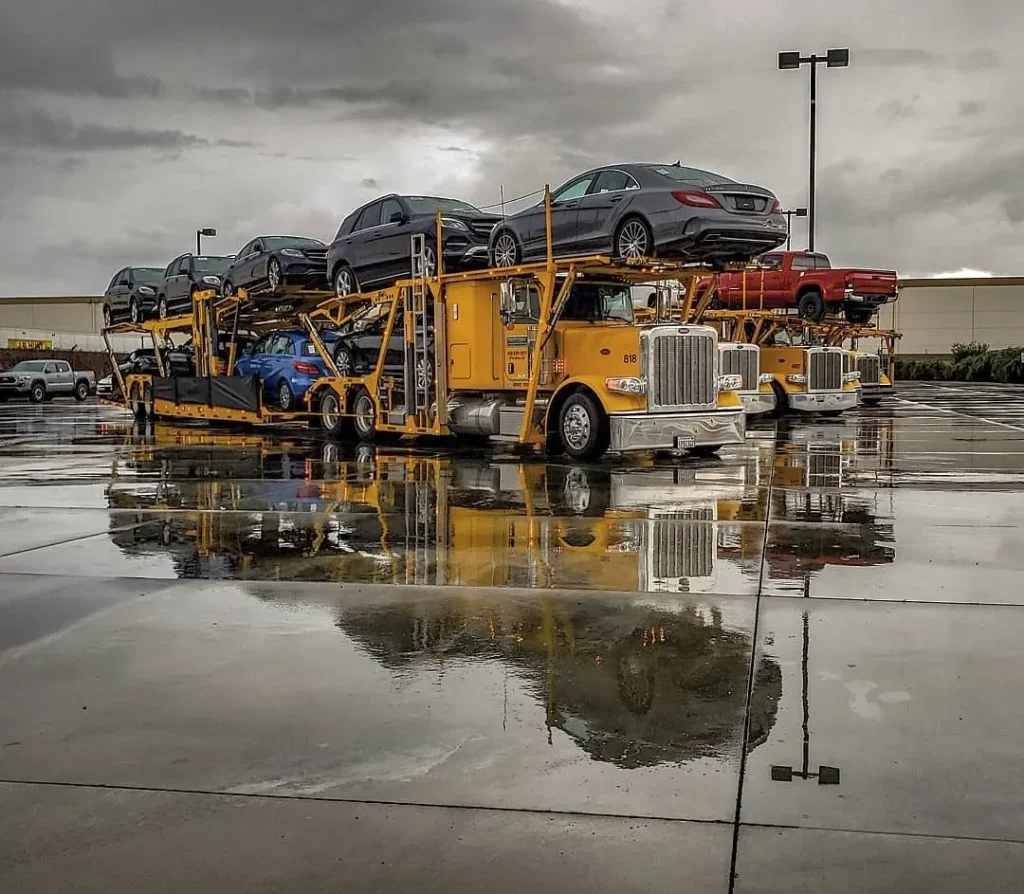
When arranging vehicle transportation, one of the first decisions is whether to choose open car shipping or enclosed car shipping. Both methods move vehicles between locations, but they differ in equipment, exposure to outdoor conditions, and typical cost.
Understanding these differences can help you choose an option that suits your vehicle and budget.
## What Is Open Car Shipping?
Open car shipping uses an uncovered vehicle carrier to transport cars along a planned route. The vehicles are secured to the carrier using appropriate equipment and transported with other vehicles when the carrier has multiple spaces available.
This is a widely used method for shipping standard sedans, SUVs, pickup trucks, and many dealership vehicles.
Open transport is often chosen because it can offer an economical solution for routine vehicle shipments. It may be suitable for people relocating, purchasing cars online, transferring dealership inventory, or sending a vehicle to another state.
The main consideration is exposure. Because the carrier is uncovered, the vehicle remains exposed to weather and road debris during transit. Owners should consider this trade-off when choosing a transportation method.
## What Is Enclosed Car Shipping?
Enclosed car shipping transports vehicles inside a covered trailer. The enclosure provides additional protection against weather and many road debris hazards.
This option may be appropriate for classic cars, luxury automobiles, collector vehicles, exotic sports cars, and vehicles with specialized paint finishes.
Enclosed transport typically costs more than open transport. Specialized equipment, route availability, and carrier capacity can affect the final quote.
Although an enclosed trailer provides additional protection, it does not guarantee that damage cannot occur. Customers should review the carrier’s insurance information, loading procedures, and applicable claims terms before booking.
## Comparing Cost and Availability
Open transport is generally the more economical option for standard vehicles. Its widespread use can make it practical for a variety of routes and shipping requirements.
Enclosed transport generally comes at a higher price because it uses specialized equipment and many enclosed carriers accommodate fewer vehicles.
However, neither method has a fixed price. Vehicle dimensions, distance, pickup and delivery locations, route demand, requested dates, and carrier availability all influence pricing.
When comparing quotes, make sure you are comparing equivalent services. A lower price for open transport should not be compared directly with a quote for enclosed transport without accounting for the different equipment and protection.
## Which Option Is Better for Everyday Vehicles?
For many everyday vehicles, open transport provides a practical balance of availability and cost.
It is commonly considered for family cars, commuter vehicles, used-car purchases, and interstate relocations. If your vehicle has standard dimensions and no special handling requirements, this may be an appropriate option to discuss with your transportation provider.
However, a modified vehicle, a car with low ground clearance, or a vehicle with mechanical problems may need special arrangements regardless of whether open or enclosed transport is selected.
Always disclose these details before booking.
## When Should You Consider Enclosed Transport?
Enclosed transport may be worth considering when the vehicle’s condition, rarity, or value makes additional protection desirable.
Owners of restored classics, collectible vehicles, luxury cars, and exotic automobiles may prefer the covered trailer environment. The added cost may be reasonable when weighed against the owner’s preferences and the potential expense of cosmetic repairs.
Ask about loading equipment, vehicle clearances, carrier coverage, inspection procedures, and any exclusions that apply to the shipment.
## How to Make the Right Decision
Before requesting a quote, prepare the following information:
– Your vehicle’s year, make, and model.
– Pickup and delivery locations.
– Preferred pickup dates.
– Whether the vehicle runs and drives.
– Any unusual dimensions or modifications.
– Your budget and preferred level of protection.
Use this information to compare suitable options and review the written terms.
## Explore Your Options With Roadwide Car Shipping
Roadwide Car Shipping provides information about open and enclosed car transport alongside door-to-door and state-to-state shipping services.
Whether you are shipping an everyday vehicle or arranging transportation for a specialty car, understanding the available options is an important first step.
Contact Roadwide Car Shipping to discuss your route, vehicle details, and preferred schedule. Request a quote and review the proposed terms before confirming your vehicle shipment.